
86-551-67709456 (Tiempo de trabajo)
86-13965027700 (tiempo no laborable)
Categorías
Último blog
Etiquetas
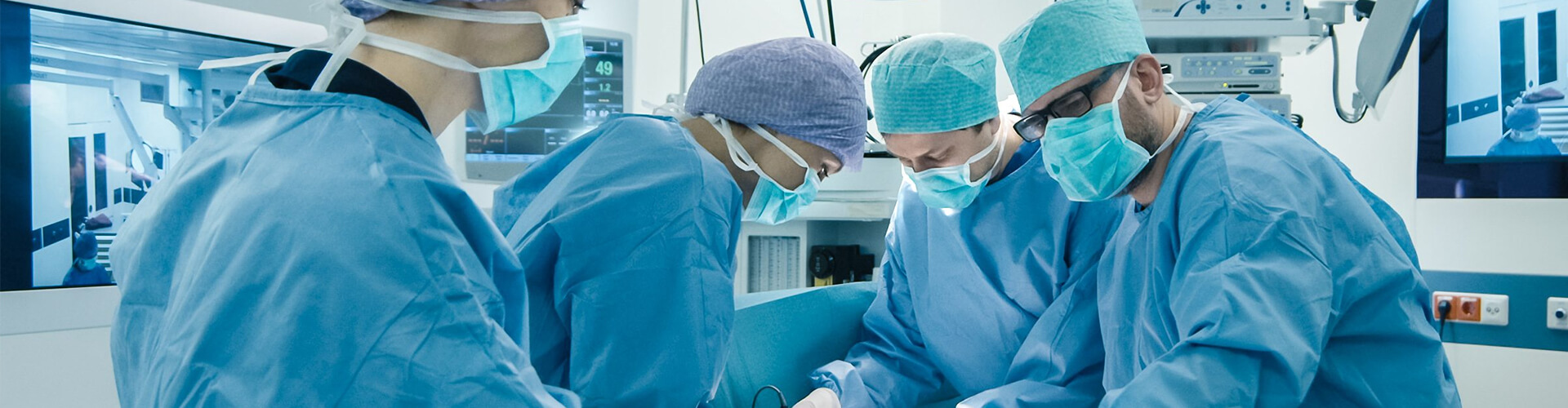
En entornos quirúrgicos,
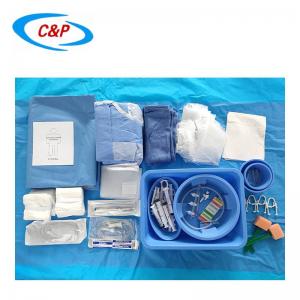
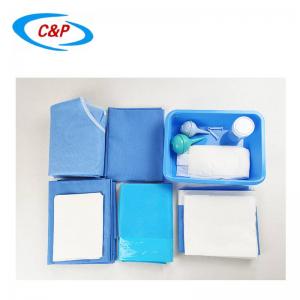
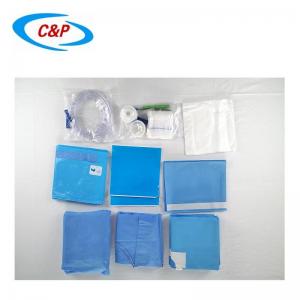
paños de aislamiento para pacientes
Son la primera línea de defensa contra las infecciones del sitio quirúrgico (ISQ), ya que constituyen una barrera fundamental para mantener un campo estéril y proteger tanto a los pacientes como al personal clínico. Elegir el campo de aislamiento adecuado no es una decisión que sirva para todos los casos; depende de la complejidad del procedimiento, el riesgo de exposición a fluidos, el rendimiento del material y el cumplimiento de las normas de seguridad internacionales. Para la mayoría de los centros sanitarios, los campos de aislamiento desechables no tejidos destacan como el estándar de oro, ya que ofrecen un control de infecciones, una fiabilidad y una eficiencia operativa inigualables.
—
especialmente cuando se fabrican con materiales avanzados y un diseño de precisión.
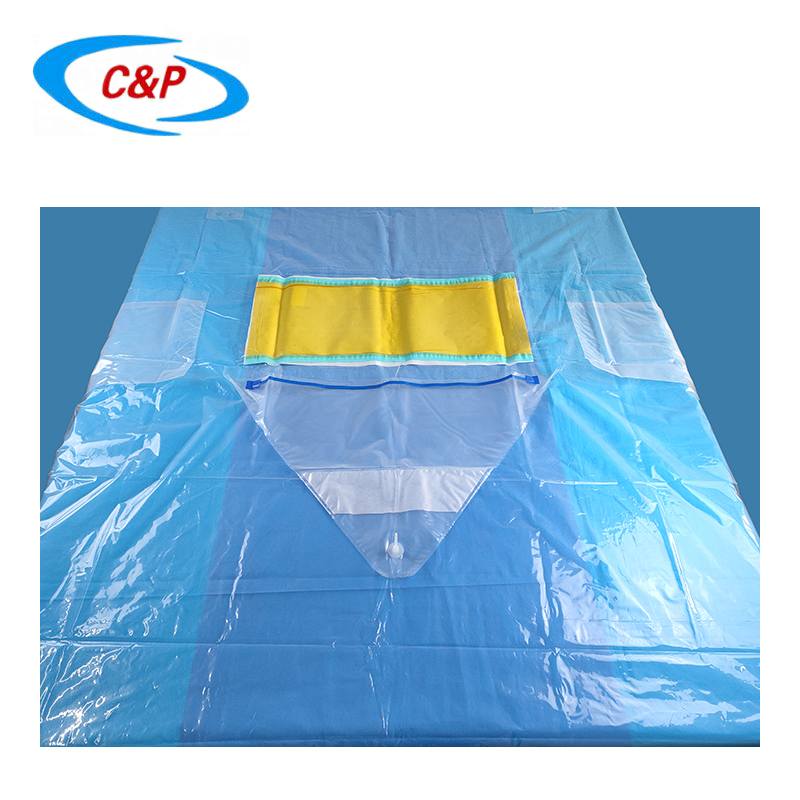
La base de un campo quirúrgico de aislamiento de alto rendimiento reside en su material, y el tejido no tejido SMS (Spunbond-Meltblown-Spunbond) es el más utilizado en cirugías de riesgo medio a alto. Compuesto por tres capas unidas, el SMS ofrece un equilibrio superior entre eficacia de barrera, resistencia a la tracción y transpirabilidad. Su núcleo meltblown actúa como un filtro microporoso, bloqueando bacterias y fluidos corporales, mientras que las capas exteriores spunbond resisten desgarros y abrasión durante procedimientos prolongados.
—
Abordando la prioridad clave del fabricante: la durabilidad bajo los rigores quirúrgicos. Para procedimientos con gran exposición a fluidos, como traumatología ortopédica u obstetricia, los campos quirúrgicos compuestos de pulpa de madera y poliéster son ideales: retienen grandes volúmenes de líquido rápidamente y mantienen su integridad estructural cuando están mojados, reduciendo el riesgo de contaminación por filtración.
Para procedimientos de bajo riesgo y corta duración, como suturas menores o biopsias ambulatorias, los campos quirúrgicos no tejidos spunlace ofrecen una alternativa suave y sin pelusa que es delicada con la piel del paciente. La pelusa es un vector conocido de infecciones del sitio quirúrgico, por lo que un diseño sin pelusa es indispensable para todos los campos estériles. Los procedimientos especializados requieren soluciones a medida: los campos de aislamiento vertical crean una barrera física entre el personal y los pacientes para una mayor esterilidad durante los casos invasivos, mientras que los campos fenestrados cuentan con aberturas de corte preciso que permiten un acceso específico al sitio quirúrgico sin comprometer el campo estéril. Los campos adhesivos para incisiones, aunque controvertidos para ciertas aplicaciones, siguen siendo un elemento básico en algunas especialidades para fijar el campo a la piel y minimizar la migración microbiana.
Al evaluar los campos quirúrgicos de aislamiento, los niveles de resistencia a los fluidos (según las normas AAMI) son un parámetro fundamental. Los campos de nivel 1 son adecuados para situaciones de riesgo mínimo, mientras que los de nivel 2+ son obligatorios para procedimientos que impliquen salpicaduras o contacto prolongado con fluidos. Los campos desechables eliminan los riesgos de contaminación cruzada asociados con las alternativas reutilizables, que dependen de protocolos de esterilización estrictos y costosos para mantener la seguridad. Como subraya la OMS, los campos eficaces deben impedir la penetración de líquidos.
—
Una característica que ofrecen los materiales no tejidos desechables de forma consistente, sin la variabilidad de los tejidos lavados.
Para los proveedores de atención médica, asociarse con un fabricante de renombre es tan importante como la selección del material. Las fábricas líderes producen campos quirúrgicos que están preesterilizados (mediante óxido de etileno o radiación gamma), empaquetados individualmente y que cumplen con la norma ISO 13485 y
CE
Normativa. Opciones de personalización.
—
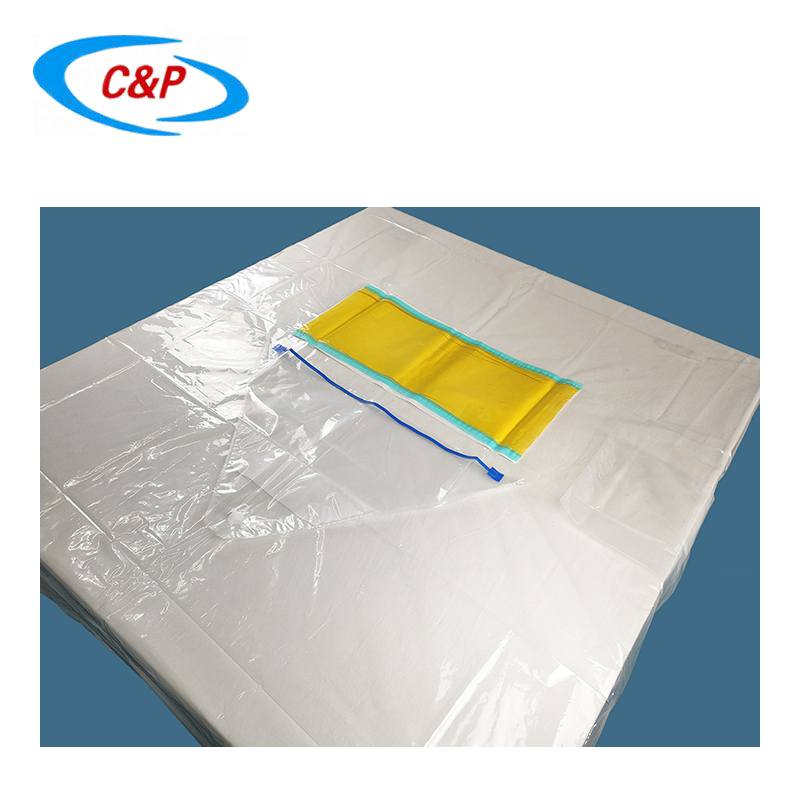
tales como kits específicos para cada procedimiento, bolsas integradas para la recolección de fluidos y recubrimientos antiestáticos.
—
Optimizar aún más los flujos de trabajo quirúrgicos y mejorar la seguridad.

Ponerse en contacto


escanear a wechat: